


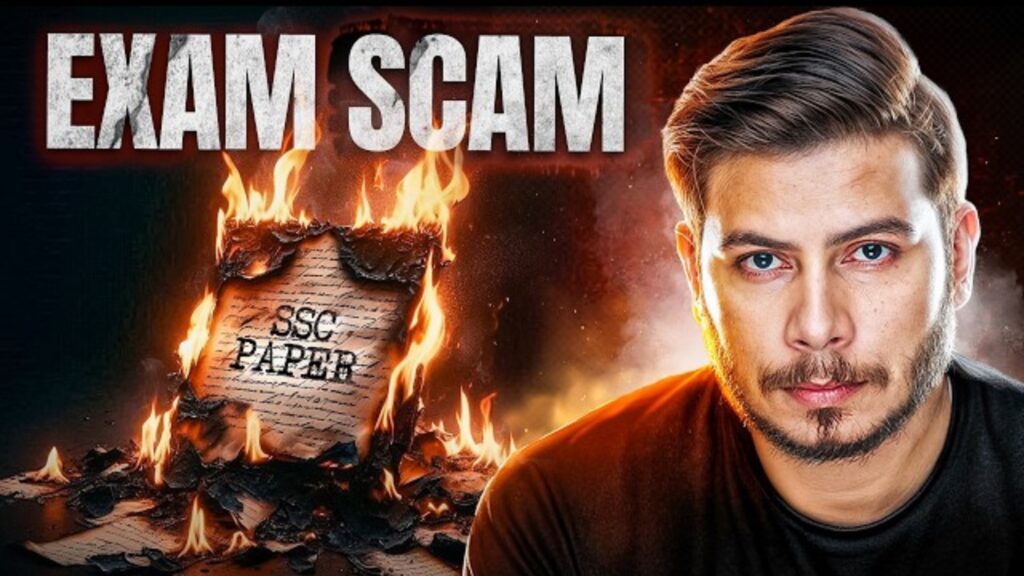
The controversy surrounding the conduct of Staff Selection Commission (SSC) examinations has once again come into focus, with legal proceedings and student activism gaining renewed momentum. YouTuber and educator Nitish Rajput continues to face a ₹2.5 crore defamation lawsuit filed by Eduquity Technologies Pvt. Ltd., even as calls grow louder for court-led reforms in India’s recruitment system.
The dispute originated from Rajput’s investigative video, in which he questioned the transparency of SSC’s tendering and vendor appointment procedures. Drawing upon RTI replies, official records, and publicly accessible documents, he alleged frequent policy modifications and administrative lapses that, according to him, negatively affected exam quality and fairness. His video struck a chord with lakhs of aspirants who have repeatedly raised concerns over server failures, last-minute schedule changes, and poorly managed examination centers.
Eduquity, which conducts multiple SSC exams, responded by initiating legal action, claiming that the content presented by Rajput was inaccurate and defamatory. The company has demanded financial compensation and removal of the video, arguing that its reputation and business interests were unfairly harmed. Rajput, however, has stood firm, maintaining that his work represents responsible analysis rooted in verifiable data.
As the case progresses in a Delhi trial court, the matter has evolved into a larger movement seeking accountability in public recruitment. Various student associations and aspirant groups have begun organizing legal consultations and awareness campaigns aimed at securing a thorough judicial review of SSC’s operational practices. Some groups are reportedly preparing petitions that may eventually reach the Supreme Court, urging intervention in vendor monitoring and exam governance.
Observers note that the controversy reflects growing public reliance on independent digital voices to question institutional functioning. Rajput’s case has sparked discussions on the rights and risks faced by online educators and investigators who challenge powerful systems through publicly available information.
In recent years, the Supreme Court has taken cognizance of several recruitment-related disputes, reinforcing its role in safeguarding transparency in public appointments. This has strengthened hopes among candidates that the present issue may also receive serious judicial attention.
Currently, the defamation suit remains unresolved, with hearings ongoing and arguments being presented by both sides. Legal analysts suggest that the outcome may influence future standards for digital investigations and freedom of expression in the education sector.
For millions of government job aspirants, the Nitish Rajput–SSC episode has become more than a courtroom dispute. It represents a continuing demand for fairness, efficiency, and trust in one of the country’s most critical recruitment institutions.